
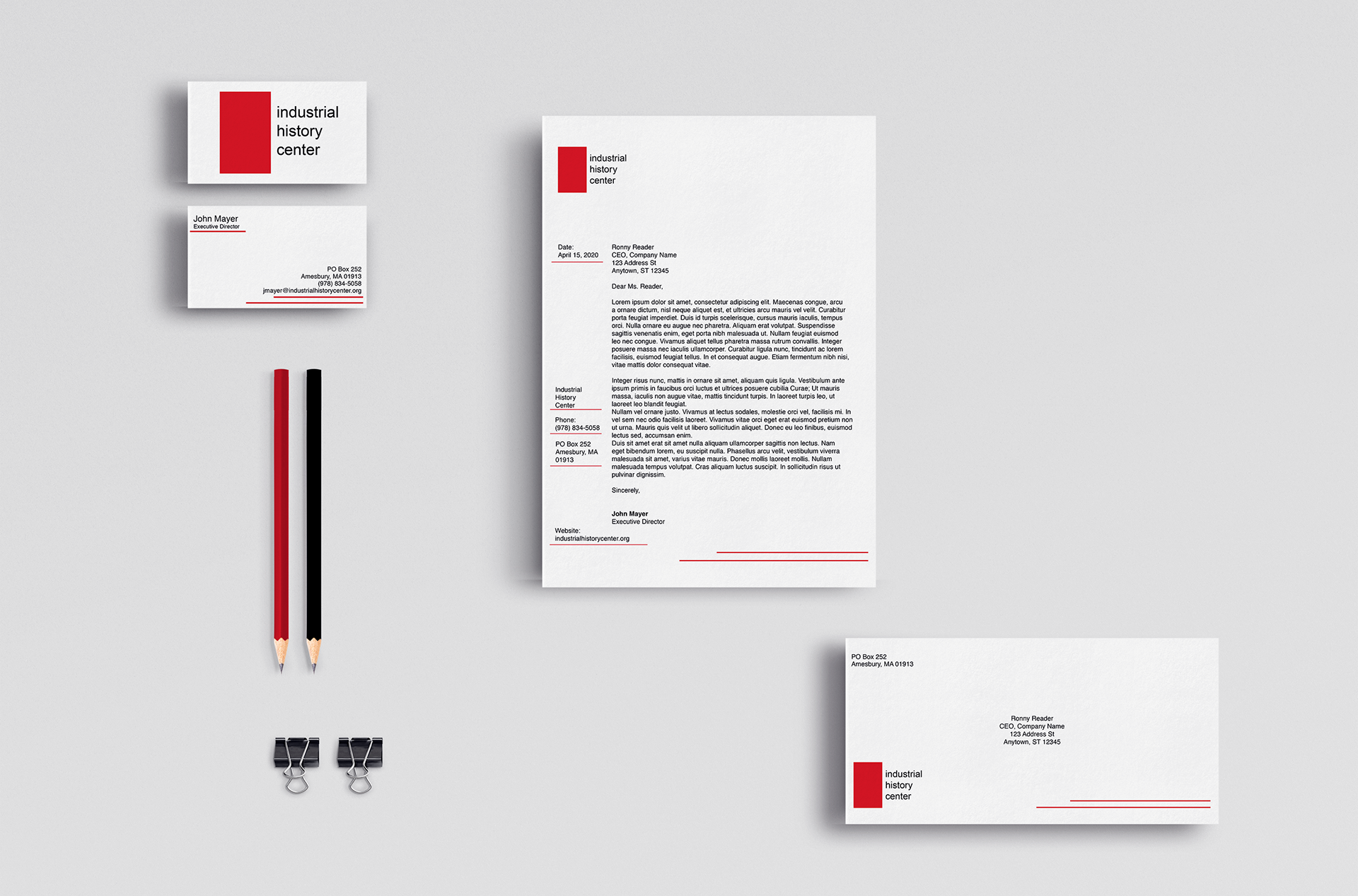
This project was completed in collaboration with a real client in Amesbury, Massachusetts, for the Industrial History Center museum. As part of a four-person class team, each student was assigned a specific area of focus for the duration of the semester. My responsibility centered on the museum’s signage system.
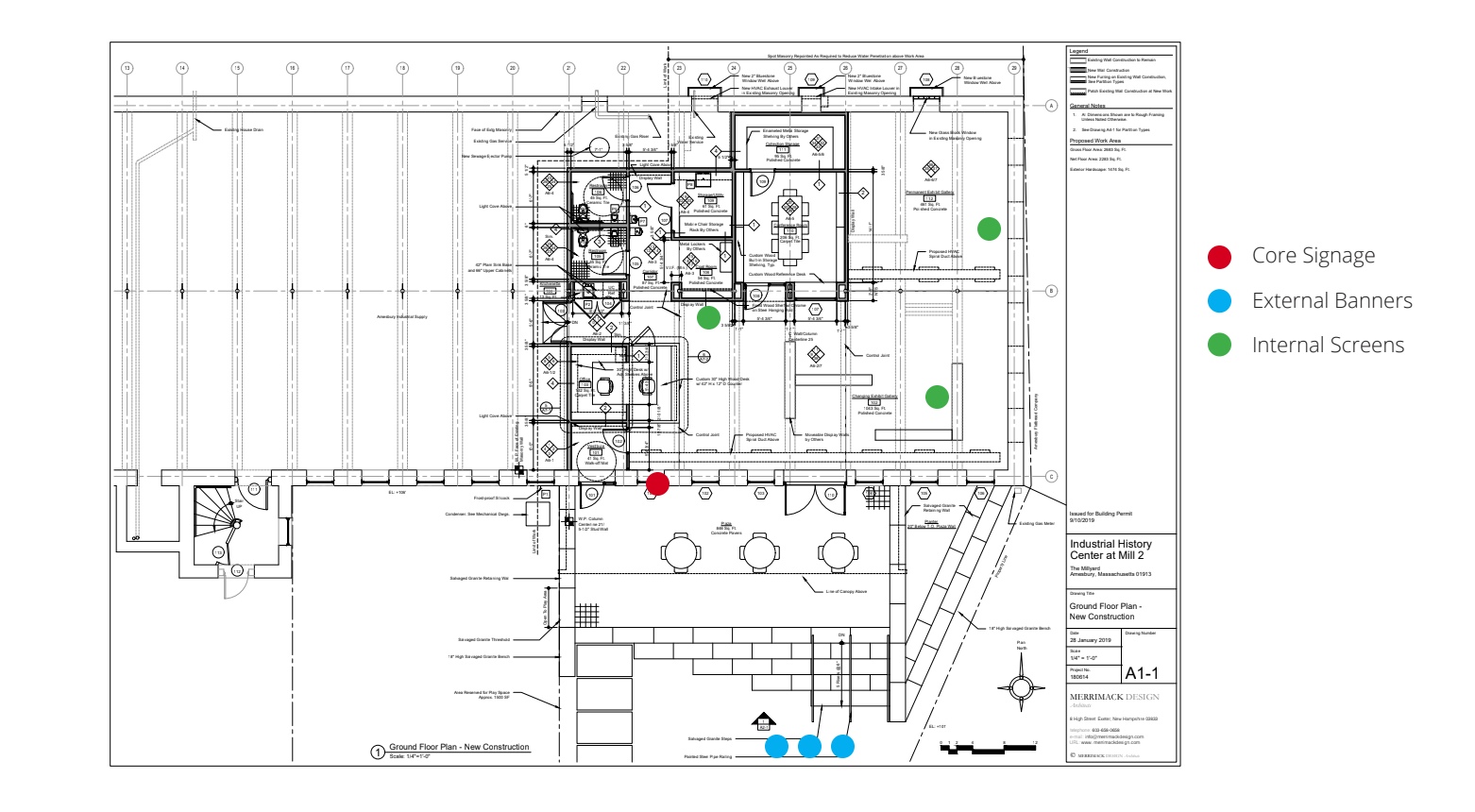
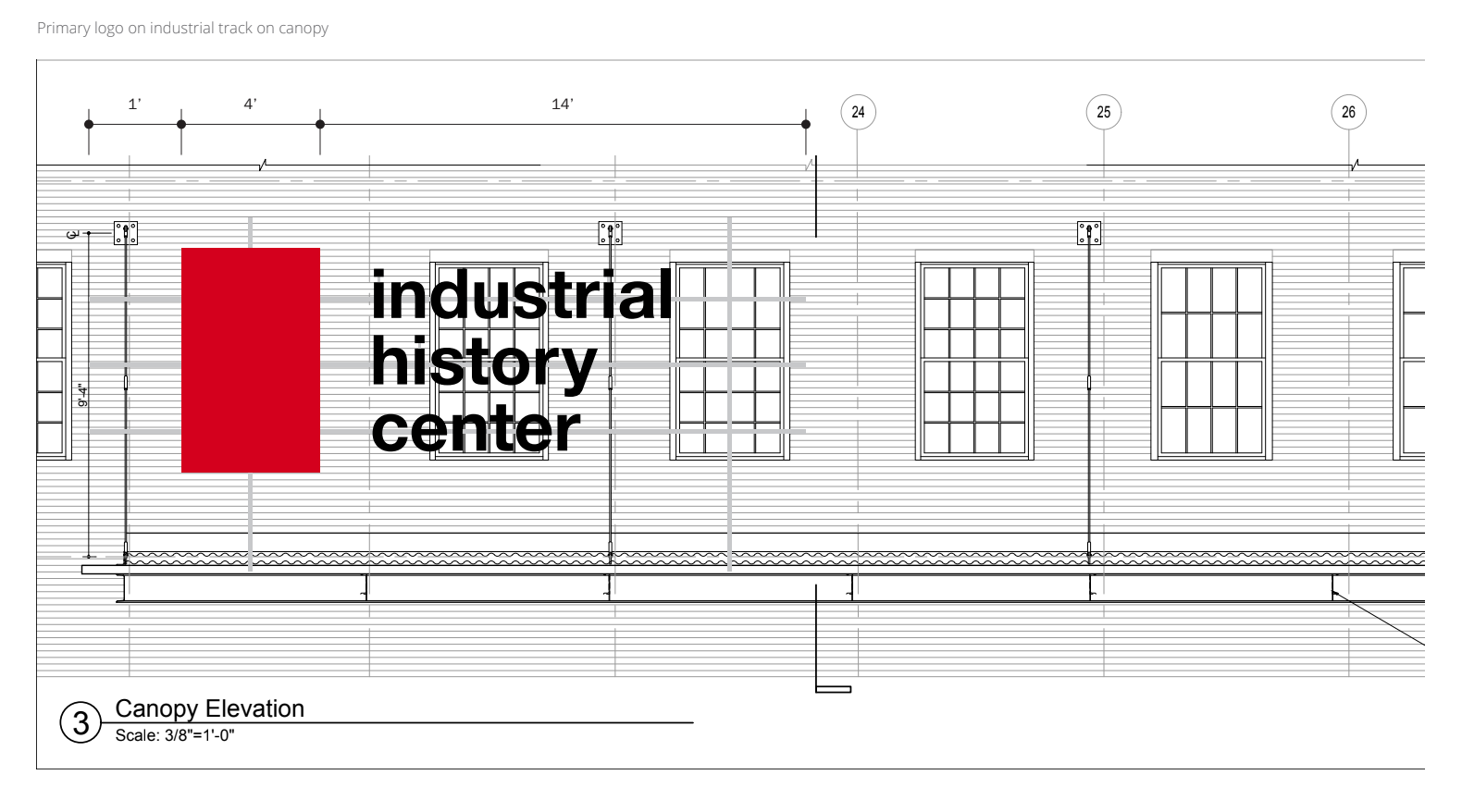
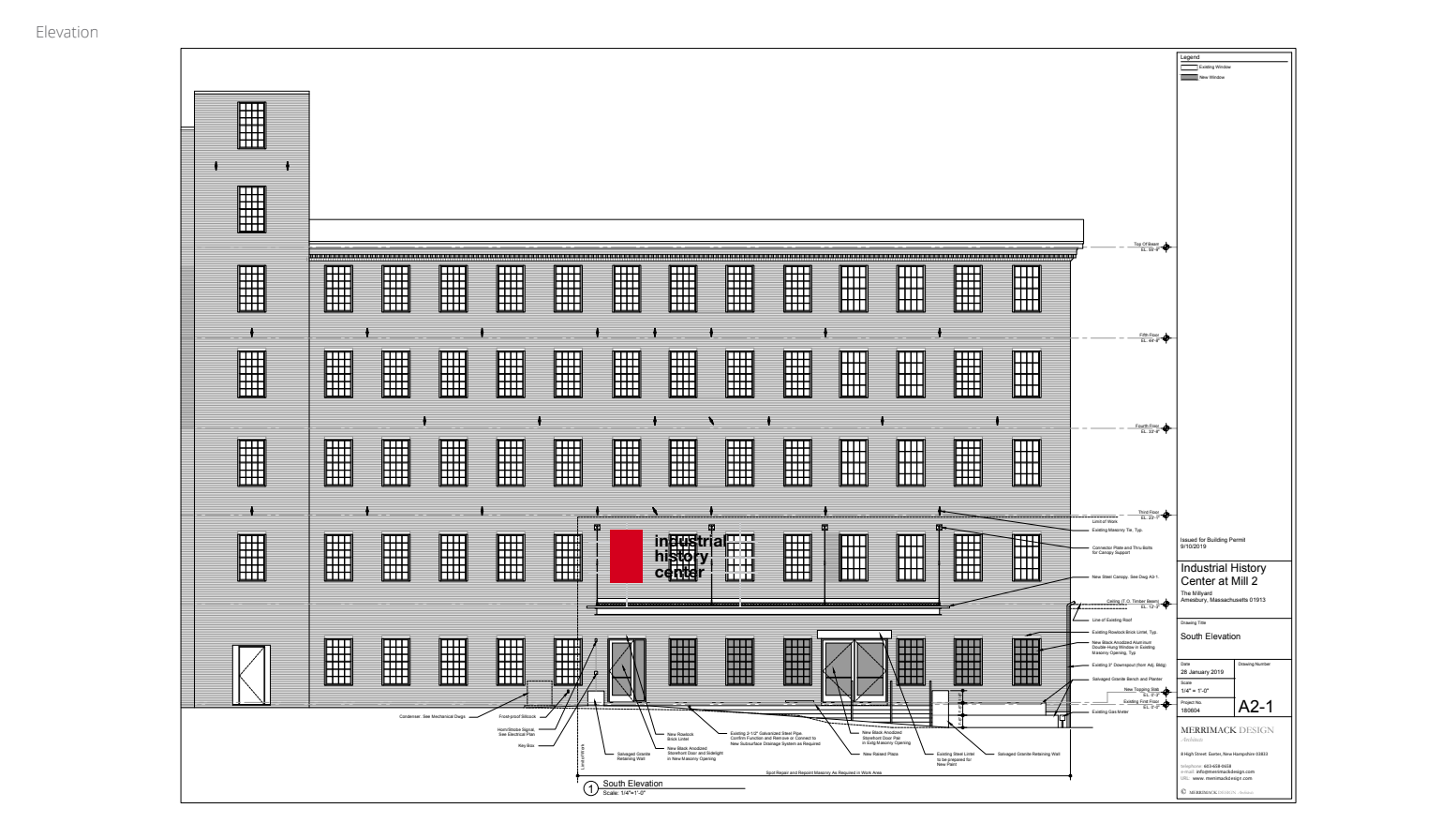
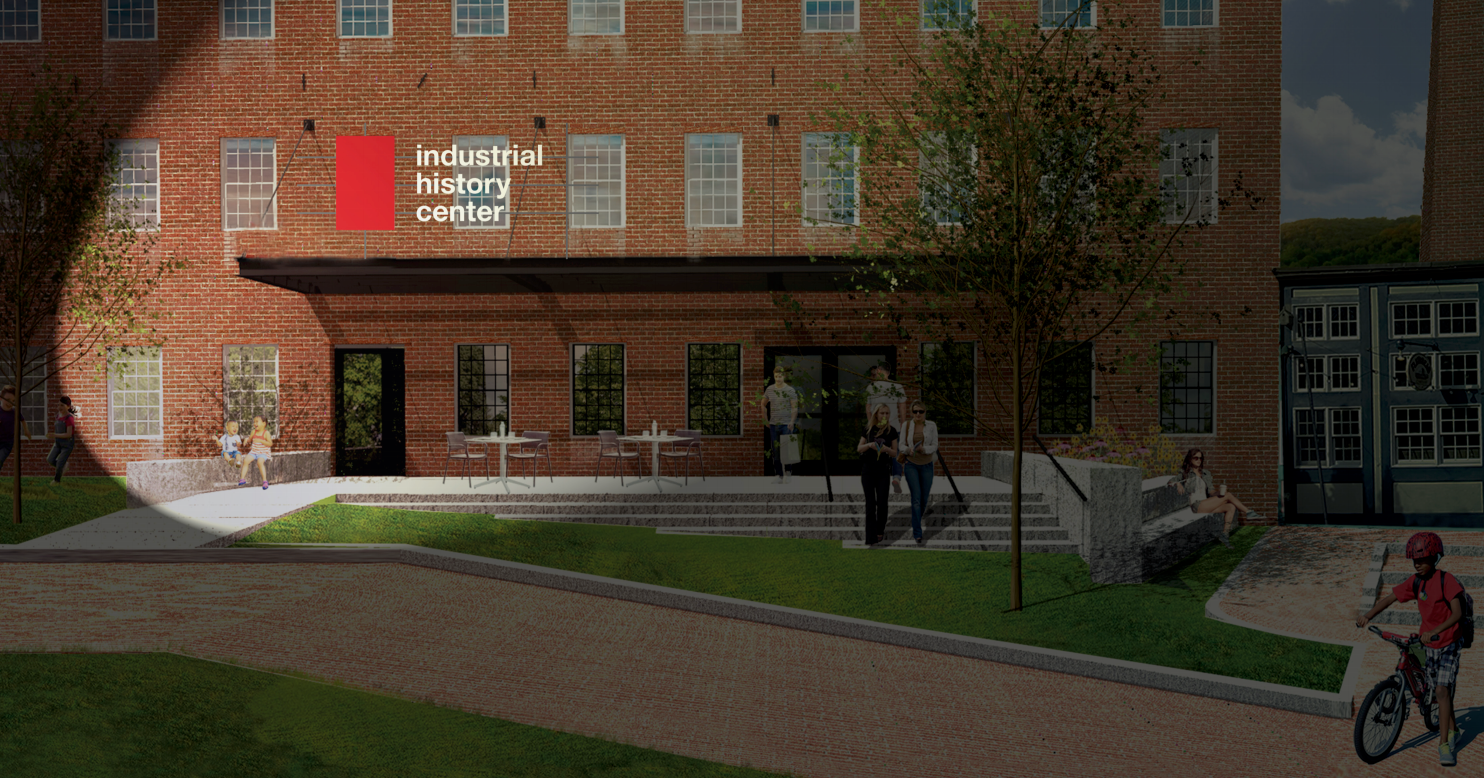
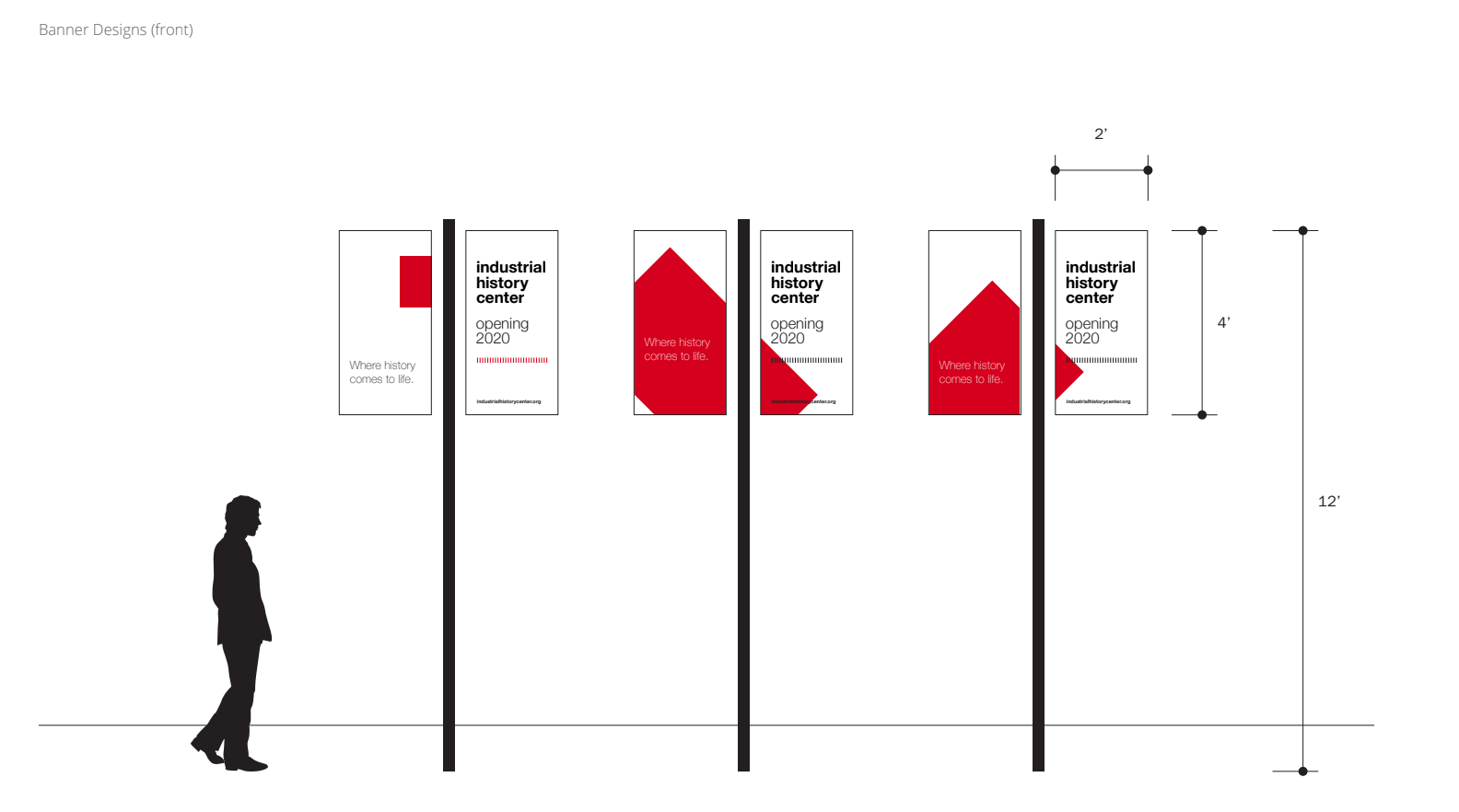
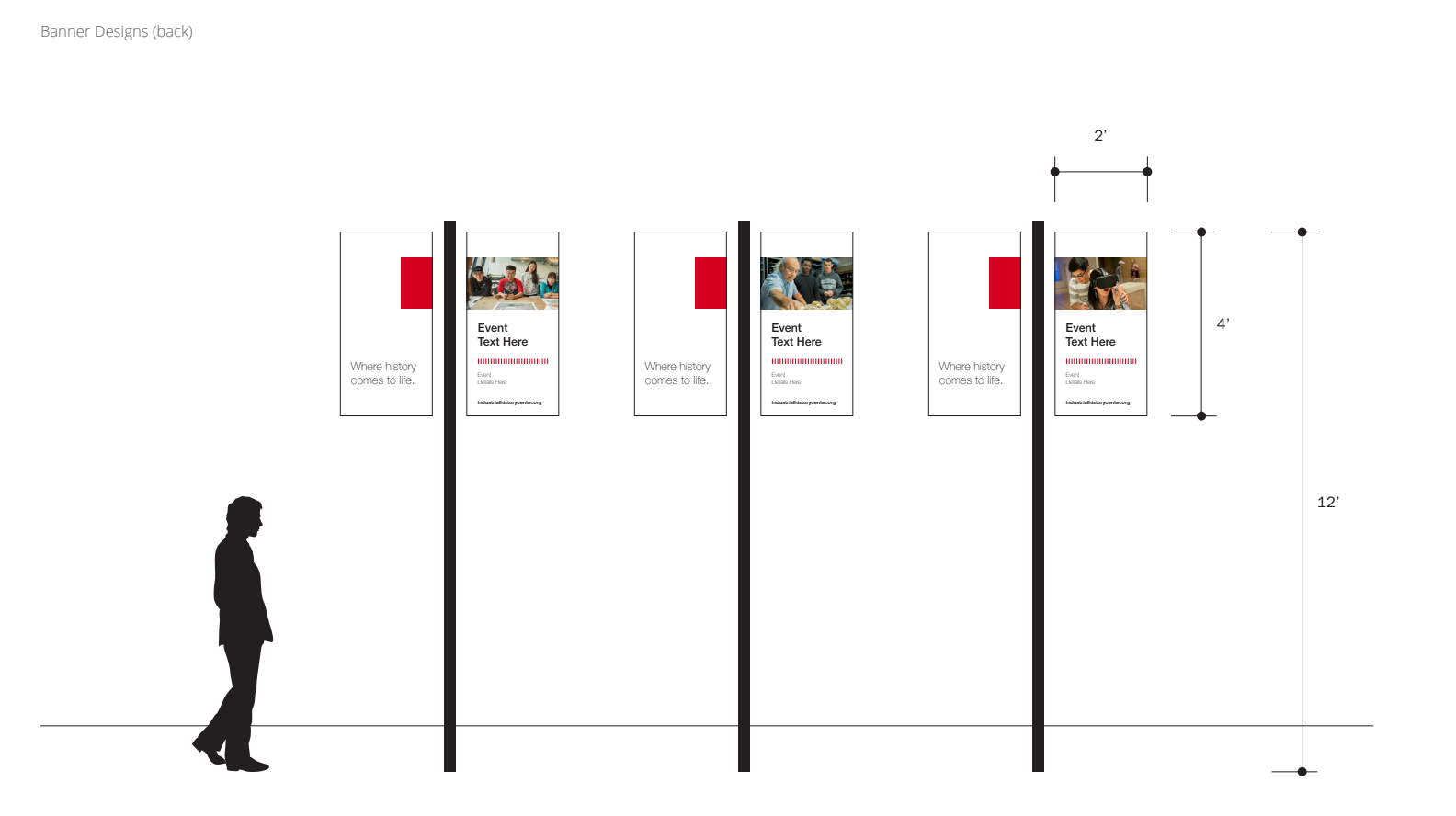
Working with the client’s existing logo and brand direction, I developed a cohesive set of environmental graphics, including a large exterior entrance sign, a series of directional and informational banners along the walkway, and digital display mockups for the interior space. Although the museum is relatively small, the design solutions were intended to maximize clarity, visibility, and visitor engagement throughout the space.
The exterior signage was designed with an industrial aesthetic to reflect both the building’s architecture and the museum’s historical focus. The walkway banners provide seasonal and event-based information, incorporating imagery from past community events to strengthen local connection. The interior screen displays were designed as a flexible system to present current exhibitions and can be updated regularly to reflect new programming and rotating content.
Overall, the signage system was developed to create a unified visual experience that supports the museum’s mission of preserving and presenting the industrial history of Amesbury, particularly its legacy of carriage manufacturing.

Process:
Throughout the duration of this project, our class met on a biweekly basis and traveled from Merrimack to Amesbury to present our progress directly to the museum director overseeing the Industrial History Center. Each visit provided an opportunity to share our design developments, receive constructive feedback, and refine our work in collaboration with both the client and our instructor.
This iterative process allowed for continuous improvement, from initial concept development to more refined, production-ready solutions. Discussions ranged from signage concepts to interactive elements within the town, all of which contributed to a cohesive final direction for the project.
By the end of the semester, the accumulated work provided the museum coordinator with a comprehensive foundation to begin physical implementation over the summer. The process emphasized real-world collaboration, adaptability, and the importance of client feedback in shaping effective design solutions.